Why Scrap Metal Is Ideal for Metalworking
Scrap metal is a cost-effective, sustainable, and versatile option for metalworking projects. Whether you’re a hobbyist, fabricator, or professional metalworker, buying scrap metal allows you to:
- Reduce costs compared to new metal
- Access a variety of metals, including copper, brass, steel, and aluminum
- Contribute to recycling and sustainability efforts
Finding reliable sources is critical for both quality and cost-efficiency.
Step 1: Understand the Types of Scrap Metal
Different metals are suitable for different metalworking applications:
- Copper: Excellent for electrical components, tubing, and artistic projects.
- Brass: Ideal for decorative fixtures, fittings, and mechanical parts.
- Aluminum: Lightweight and corrosion-resistant, perfect for frames, panels, and automotive parts.
- Steel & Iron: Durable and versatile, used for structural components and machinery.
Knowing the type and grade of metal you need helps you source it effectively.
Step 2: Local Scrap Yards and Metal Recyclers
Local scrap yards are a reliable source of scrap metal for metalworking:
- They often have bulk copper, brass, aluminum, and steel.
- You can inspect metals before purchase.
- Many yards offer discounts for bulk purchases.
Digital platforms can also help you find verified scrap yards near you:
Find scrap yards near you
Step 3: Online Scrap Marketplaces
Online marketplaces make buying scrap metal more convenient, especially for metalworking projects that require specific types or grades:
- Post your requirements and get matched with sellers
Post your scrap requirements - Learn about platform standards and seller verification
About Online Scrap Yard - Access a global network of verified buyers and sellers
Online listings often include photos, weights, and metal types, making it easier to choose quality material for your projects.
Step 4: Industrial Sources
Industries, workshops, and factories can be excellent sources of scrap metal for metalworking:
- Manufacturing plants often upgrade machinery and sell off metal scraps.
- Construction sites may have leftover steel beams, copper wiring, or aluminum panels.
- Electronics recycling centers provide copper, aluminum, and steel from e-waste.
Step 5: Specialty Scrap Suppliers
Some suppliers focus on high-quality scrap metal specifically for artisans and metalworkers:
- Metalworking supply stores may sell trimmed or clean metals.
- Specialty brass and copper suppliers cater to hobbyists and small workshops.
- Auction platforms sometimes list large lots of scrap metal suitable for projects.
These sources can provide consistent quality and specialized metals for precision work.
Step 6: Consider Pricing and Quality
Before purchasing:
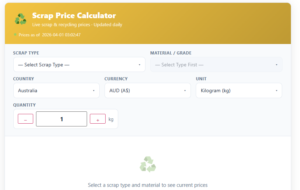
- Check current market scrap metal prices to ensure fair pricing.
- Inspect metals for corrosion, warping, or contamination.
- Negotiate bulk deals for larger projects to reduce cost per kilogram.
FAQs
Where is the best place to buy scrap metal for metalworking?
Local scrap yards, online marketplaces, industrial suppliers, and specialty metalworking suppliers.
What types of scrap metal are ideal for metalworking?
Copper, brass, aluminum, steel, and iron are the most commonly used metals for projects.
Can I buy scrap metal online safely?
Yes. Use verified platforms like Online Scrap Yard to find reliable sellers and check metal grades.
Should I buy bulk or small amounts?
Bulk purchases often reduce costs per kilogram, but small amounts are suitable for hobbyists or small-scale projects.
Conclusion: Buy Smart for Maximum Value
Buying scrap metal for metalworking requires knowledge, strategy, and reliable sources. By sourcing metals from:
- Verified local scrap yards
- Online scrap marketplaces
- Industrial and specialty suppliers
you can get high-quality metals at competitive prices, ensuring your metalworking projects are both affordable and high-quality.
Final Takeaway
Scrap metal is a versatile and cost-effective choice for metalworking. Use verified platforms and local scrap yards to source copper, brass, aluminum, and steel, maximizing both value and quality.
Internal Resources: