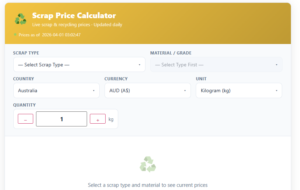
In today’s recycling industry, distinguishing between e-waste and scrap metal is crucial. Moreover, both contain valuable materials, but the methods of collection, handling, and selling differ. Therefore, knowing the differences can help individuals and businesses maximize profits while staying environmentally responsible.
For verified buyers and secure transactions, platforms like Online Scrap Yard provide resources to trade both e-waste and scrap metals safely.
What is E-Waste?
E-waste refers to discarded electronic devices and components, such as:
- Computers and laptops
- Mobile phones and tablets
- Printers and scanners
- Televisions and monitors
- Small appliances like microwaves
Furthermore, e-waste often contains precious metals like gold, silver, and copper, making it valuable for recycling.
However, e-waste also contains hazardous materials such as lead, mercury, and cadmium. As a result, it requires careful handling and proper disposal methods.
What is Scrap Metal?
Scrap metal is any metallic material discarded from industrial, residential, or commercial sources. Common examples include:
- Ferrous metals: steel, iron
- Non-ferrous metals: copper, aluminum, brass, bronze
In addition, scrap metal is generally categorized by its type, weight, and purity. Unlike e-waste, scrap metal does not usually contain hazardous chemicals, making it easier to handle.
Consequently, scrap metal is often sold by weight to buyers at scrap yards or via online platforms like Online Scrap Yard.
Key Differences Between E-Waste and Scrap Metal
| Factor | E-Waste | Scrap Metal |
|---|---|---|
| Composition | Electronics with metals and hazardous components | Pure metal materials |
| Value | Can contain precious metals (gold, silver, copper) | Value depends on type and weight of metal |
| Handling | Requires special care due to hazardous materials | Safer to handle, minimal hazards |
| Disposal | Must comply with e-waste regulations | Follows standard scrap metal recycling rules |
| Profit Potential | High if precious metals extracted | High for non-ferrous metals like copper and aluminum |
Therefore, knowing these differences helps sellers decide the best approach to recycling or selling.
How to Profit from E-Waste and Scrap Metal
1. Sort and Separate
- Separate e-waste from pure scrap metals.
- Remove non-metal parts from e-waste if possible.
2. Choose Verified Buyers
- Sell e-waste to certified recycling centers.
- Sell scrap metals to trusted platforms like Online Scrap Yard.
3. Clean and Prepare Materials
- Remove insulation, wires, and plastic from scrap metal for higher payouts.
- Extract reusable components from e-waste when feasible.
4. Stay Updated on Market Prices
- Scrap metal prices fluctuate daily.
- E-waste value depends on the presence of precious metals and electronics demand.
In addition, platforms like Online Scrap Yard’s Scrap Yard Finder can help you locate buyers for both types efficiently.
Safety and Compliance
- Always wear gloves and protective gear.
- Handle e-waste carefully due to hazardous chemicals.
- Follow local laws and recycling regulations.
- Store materials in designated containers to avoid contamination.
As a result, proper safety ensures both legal compliance and environmental responsibility.
FAQs
Q1: Can I sell e-waste like scrap metal?
A: Yes, but e-waste requires specialized handling due to hazardous components.
Q2: Which is more profitable?
A: It depends. E-waste may yield higher profits if it contains precious metals, while non-ferrous scrap metals like copper and brass consistently earn high payouts.
Q3: Where can I sell e-waste and scrap metal safely?
A: Verified platforms like Online Scrap Yard ensure secure transactions and verified buyers.
Q4: Do I need special permits?
A: Handling e-waste may require certifications, while scrap metal usually requires standard business and recycling compliance.
Conclusion
Understanding the differences between e-waste and scrap metal is essential for anyone in the recycling industry. By sorting materials, connecting with verified buyers, and following safety and compliance guidelines, you can maximize profits while contributing to environmental sustainability.
Moreover, platforms like Online Scrap Yard provide verified buyers for both e-waste and scrap metals, helping you trade safely and efficiently in 2026.