Iron is one of the most common and valuable metals in the scrap industry. Moreover, understanding scrap iron prices and market trends can help both individuals and businesses maximize profits. Therefore, staying updated on rates and learning how to sell efficiently is essential for anyone dealing with scrap metal.
For secure trading and verified buyers, Online Scrap Yard provides a reliable platform to sell scrap iron and other metals.
Why Scrap Iron Is Valuable
Scrap iron is a ferrous metal widely used in construction, manufacturing, and industrial applications. In addition, it can be recycled indefinitely without losing strength or durability.
Key reasons scrap iron has value:
- High demand: Steel mills and manufacturers rely on recycled iron
- Easy to collect: Found in appliances, vehicles, and construction waste
- Eco-friendly: Reduces the need for mining new iron ore
As a result, even small quantities of scrap iron can generate income when sold properly.
Current Scrap Iron Prices
Scrap iron prices fluctuate based on several factors:
- Global demand: Industrial activity directly affects pricing
- Local supply: Abundant scrap lowers local prices
- Metal quality: Clean, sorted iron fetches higher rates
- Economic conditions: Fuel prices, logistics, and market trends
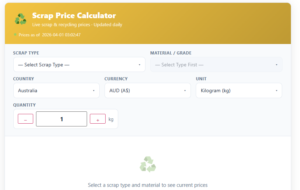
In 2026, average scrap iron prices typically range from $0.15 to $0.40 per kg, depending on quality and location. However, checking real-time updates on platforms like Online Scrap Yard ensures accurate pricing.
Sources of Scrap Iron
1. Household Appliances
Old washing machines, ovens, and water heaters often contain iron components. Moreover, these items are easy to collect and prepare for resale.
2. Construction Sites
Demolition and renovation sites produce large volumes of scrap iron, such as beams, rods, and pipes. Therefore, always seek permission before collecting.
3. Automotive Scrap
Cars, motorcycles, and bicycles have iron parts like engines, chassis, and frames. In addition, garages often sell scrap iron in bulk.
4. Industrial Waste
Factories and warehouses frequently dispose of iron scraps during production processes. Similarly, these sources can provide a consistent supply for scrap dealers.
How to Sell Scrap Iron
- Sort and Clean: Remove non-iron materials for better resale value
- Weigh Accurately: Use a reliable scale to determine your scrap’s weight
- List on Trusted Platforms: Online Scrap Yard connects you with verified buyers
- Compare Prices: Check multiple buyers to ensure top rates
Additionally, following Online Scrap Yard’s Post Requirements can help you prepare your scrap for higher payouts.
Tips to Maximize Profit from Scrap Iron
- Sell in Bulk: Larger quantities attract better per-kg rates
- Monitor Market Trends: Prices fluctuate daily; timing your sale matters
- Build Relationships with Buyers: Regular buyers often offer consistent and higher payouts
- Avoid Contaminants: Iron mixed with other metals may reduce value
Furthermore, proper storage and handling reduce losses and improve selling efficiency.
FAQs About Scrap Iron Prices
Q1: What affects scrap iron prices?
A: Market demand, supply, location, quality, and global economic conditions all impact rates.
Q2: How can I sell scrap iron safely?
A: Use verified platforms like Online Scrap Yard and follow safety guidelines for handling metal.
Q3: Where can I find scrap iron?
A: Household appliances, construction sites, garages, and industrial waste are primary sources.
Q4: Is scrap iron recycling environmentally friendly?
A: Yes, recycling scrap iron reduces the need for mining, conserves energy, and minimizes landfill waste.
Conclusion
Scrap iron remains a highly valuable and in-demand material in 2026. By understanding scrap iron prices, sourcing quality materials, and using trusted platforms like Online Scrap Yard, you can maximize profits while contributing to a sustainable recycling ecosystem.